


Medication Storage While Traveling in Your Suitcases: Practical Guide
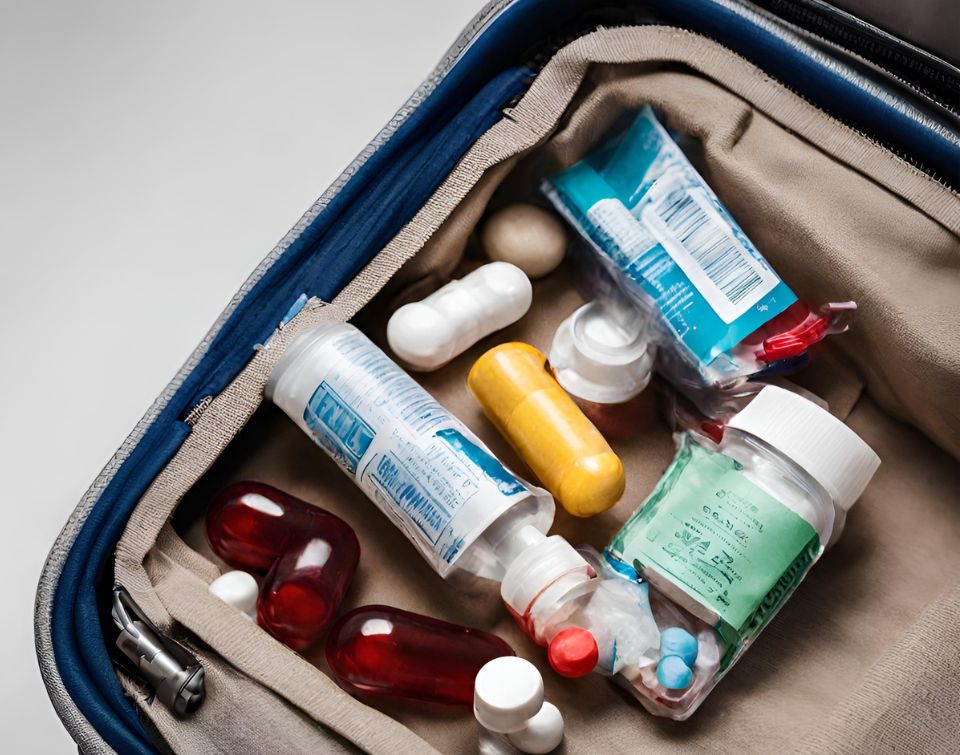
Whether you are going on vacation or a business trip, it is essential to plan the storage of your medications to ensure your well-being throughout your stay. Here are some useful tips for organizing your medications in your luggage, in compliance with the TSA (Transportation Security Administration) rules in the United States, and to make sure you have everything you need, wherever you go. Note that these suggestions vary from country to country and the rules may change at any time by each country. Therefore, it is the responsibility of each traveler to verify the information at the time of travel. Here is a site that will guide you for Canada: https://www.catsa-acsta.gc.ca/en/what-can-bring/medication-and-medical-items while that of the TSA is dedicated to travelers moving to the United States: https://www.tsa.gov/travel/travel-tips/can-you-pack-your-meds-pill-case-and-more-questions-answered. For any other country, simply type on Google: authorized medications followed by the name of the country concerned.
- Carry-on or checked luggage:
Medications to be taken regularly: it is preferable to keep in your carry-on luggage the medications that you need to take regularly. Bring enough for the entire duration of your stay, allowing for a few extra days in case your return is delayed.
Prescriptions for liquids: if you are carrying liquid medications, the usual quantity limits set by the TSA may be exceeded provided your medications have a prescription on their container. Liquid medication containers must be placed in a separate transparent plastic bag from other medications or items and be presented during security screening. Ensure that the prescription label is properly affixed to each container. Do not group multiple liquid prescriptions in one bag.
Solid medications without prescription: solid medications, such as pills and tablets, can be transported in your carry-on or checked luggage. Be sure to store them in a secure container to prevent damage during transport.
Keep medications accessible in your carry-on luggage: for easy and quick access, store your medications in an easily accessible location in your carry-on luggage. This will allow you to quickly remove them during security screening without having to search through your entire luggage.
- Important Information:
Continuous validation: rules and regulations regarding the transport of medications may vary depending on the destination and airlines. Be sure to check the regulations in force before your departure and comply with all relevant requirements. It is also recommended to regularly check for updates to TSA rules and those of other countries, as they may change.
Medical consultation: if you have specific questions about transporting your medications, feel free to consult your doctor or pharmacist. They can provide you with personalized advice based on your medical condition and travel needs.
Prescription labeling: ensure that each medication container is clearly labeled with the name of the medication and usage instructions. In the event of a security check, this will allow agents to quickly understand the contents of your medications and avoid any confusion.
Ice Packs: ice packs are allowed both inside a carry-on bag and a checked suitcase, but it is recommended to check the specific TSA regulations regarding frozen substances.
Essential over-the-counter medications: some essential over-the-counter medications, such as acetaminophen, ibuprofen, and vitamins in tablet form, are exempt from volume restrictions. The total quantity of some powders and granular materials is limited to 350 ml or less in carry-on luggage.
On that note, have a safe trip.
Louise et ses valises !
SUGGESTED PRODUCT(S)
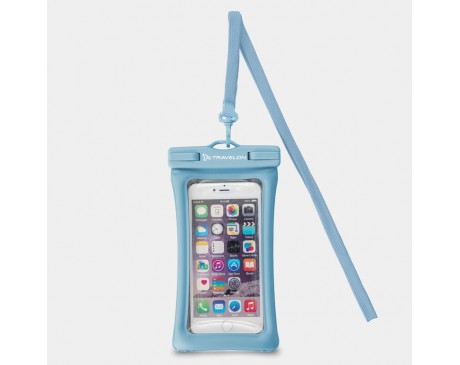
Travelon - Itfloats Waterproof Pouch - Blue
This Travelon itFLOATS Waterproof Pouch is ideal for use on cruises and beyond. This will protect yo..
$9.99 CAD
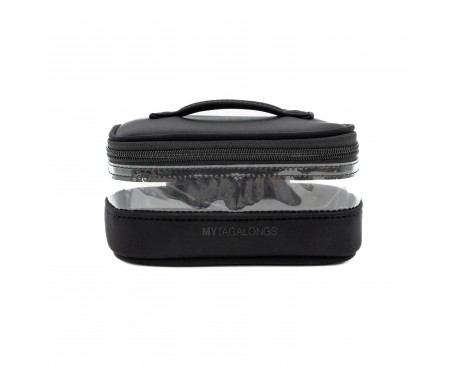
Mytagalongs - Accessory - Mini Clear Train Case - Black
This adorable train case is perfect for toiletries or anything else you need to organize while keepi..
$20.00 CAD