


Story of the Creation of Transport and Protection Cases through time
Ancient civilizations, such as the Egyptians, Greeks, and Romans, used materials like straw, animal skins, and fabrics to wrap and protect objects during transportation. Over time, packaging techniques evolved to include more sophisticated materials such as wood, leather, metals, and even ceramics.
Development of protector cases
However, the development of more specialized and structured transport crates gained momentum with the advent of the Industrial Revolution in the 19th century. The growing demand for goods and merchandise transported over long distances led to an increased necessity for more efficient and protective packaging solutions.
One of the earliest companies to specialize in designing and manufacturing protective transport crates was the "Mason Box Company," founded by Henry W. Mason in the United States in 1890. This company developed special wooden boxes designed to protect fragile and sensitive goods during transportation. This development was largely influenced by the rise of international trade and the need to preserve product quality during long journeys by boat and train. There was a time when JP Grimard also manufactured and produced wooden and later fiber protective cases.
Over time, with technological advancements and changing industry needs, packaging materials and techniques continued to evolve. Companies from around the world, including Pelican and Nanuk, contributed to the development of protective packaging to meet increasingly complex transportation requirements using ultra-resistant materials, including polypropylene. It's important to note that the concept of protective transport packaging is the result of a progressive evolution over time, involving numerous companies and innovators throughout history.
Here is an article that might interest many, focusing on a:
Survival story of a Pelican protective case facing fire.
Louise et ses valises!
Mots clés :
SUGGESTED PRODUCT(S)
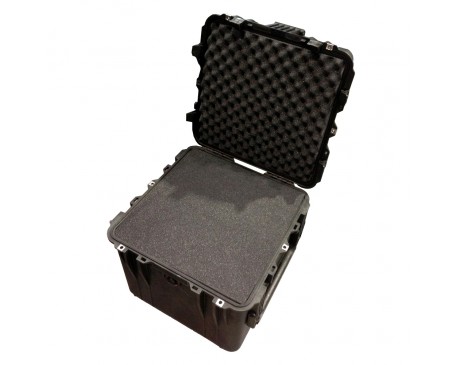
Pelican - 0370WF Cube case 24" with foam (drone) - wheels in option
Pelican 0370WF Cube case 24". Ideal to protect your drone or for moving operations. Perfect for ..
$847.95 CAD $1,009.95 CAD
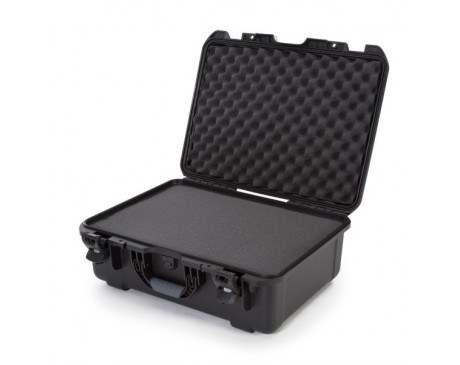
Nanuk - 965 Wheeled Case - With Foam
Three soft grip handles make this 965 Nanuk wheeled case with foam one of the most convenient on the..
$614.95 CAD
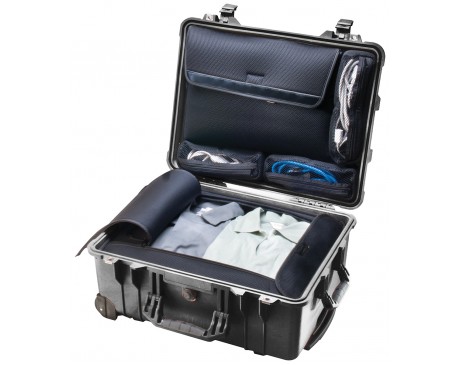
Pelican - 1560LOC Laptop overnight Case on wheels
As the newest member of the Pelican Protector case family, the 1560 LOC on wheels boasts more than 2..
$557.95 CAD $670.95 CAD