


Understanding the Difference Between Leather, Vegan Leather, and Plant-Based Materials
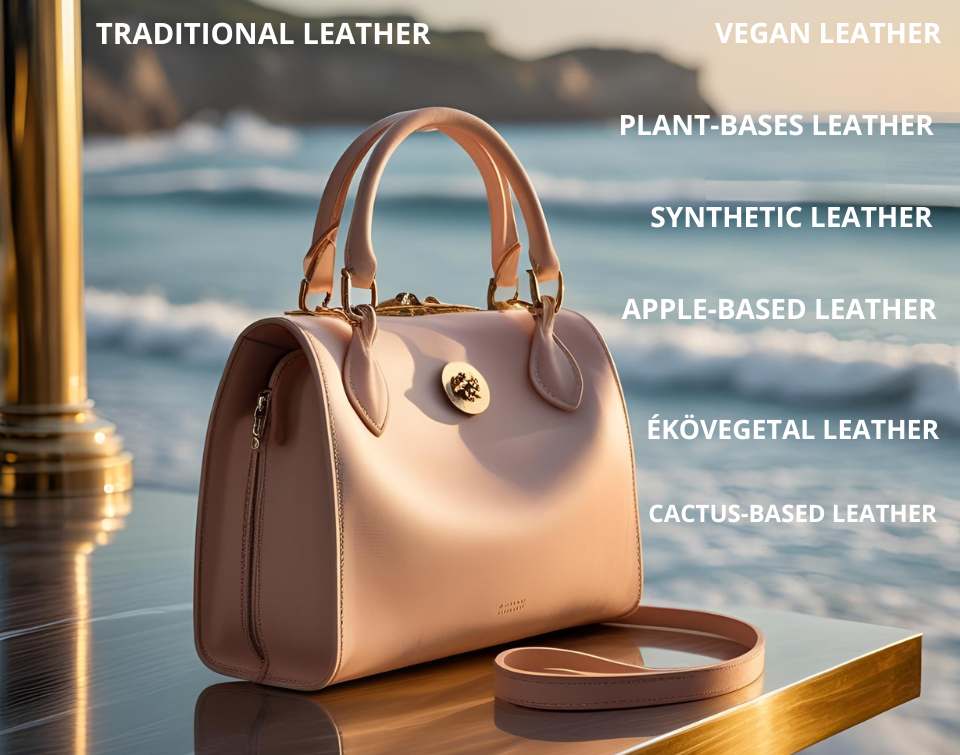
In the world of responsible fashion, the word leather is becoming increasingly nuanced. Between traditional leather, vegan alternatives, and plant-based materials, it can be hard to keep track and even harder to know what’s legally allowed depending on the country. Here's an overview of the main distinctions, inspired by a post from our Quebec distributor Köss Mode, which offers the Ékövgétal collection, made from apple or cactus-based leather.
Traditional leather: the classic version
Traditional leather is made from animal hides, most often from cows. This material is valued for its durability, luxurious appearance, and the way it develops a patina over time. However, its production is linked to intensive livestock farming and chemical tanning processes, both of which raise significant environmental and ethical concerns.
Plant-based leather: a source of confusion
The term plant-based leather is sometimes misunderstood. It can refer to:
-
Animal leather tanned using plant extracts (such as oak bark or acacia). This is still animal-derived leather.
-
Or, in another context, to leather alternatives made from plant-based materials like apples, cacti, mushrooms, or pineapples.
In the second case, the term leather is used more figuratively to describe the texture or use of the product, which contains no animal components.
Vegan leather or synthetic leather
Vegan leather includes all alternatives to animal leather. However, despite what the name may suggest, it is most often made from plastic, particularly polyurethane (PU) or polyvinyl chloride (PVC).
These materials successfully imitate the look and feel of traditional leather, but they are derived from petrochemicals. While vegan leather avoids animal cruelty, its environmental impact can be questionable—especially when it is non-recyclable or non-biodegradable.
Fortunately, more sustainable options are emerging, such as plant-based leathers made from leftover apples, grapes, cacti, or pineapples. These options are generally more eco-friendly and ethically responsible.
Can we use the word "leather" in Canada if it’s not animal-based?
In many European countries, it is illegal to use the word "leather" to describe any material that does not come from an animal source. In France and Italy, for example, using terms like apple leather or cactus leather may lead to legal penalties.
In Canada, however, the use of the word leather is allowed as long as it’s immediately followed by a clear qualifier, such as plant-based, vegan, cactus, or apple. The important thing is that the consumer is not misled.
The Ékövgétal collection by Köss: ethical, local, and innovative
Our Quebec distributor Köss Mode recently introduced the Ékövgétal collection, featuring accessories made from innovative materials such as apple residue leather and cactus leather. These materials are not only cruelty-free, but also give a second life to food industry waste. It's a beautiful way to combine style, commitment, and respect for the environment.
Conclusion
The word leather no longer refers to just one thing. It can describe a noble material from the animal kingdom, a synthetic alternative, or a plant-based fabric designed to reduce our ecological footprint. The key is to always read the labels, ask the right questions, and support local creators who innovate with transparency—like Köss Mode.
Louise et ses valises!
SUGGESTED PRODUCT(S)

KÖSS – Compact Elegance – RFID-Blocking Leather Passport and Phone Case – Black
Discover our Köss Compact Elegance Bag, designed to protect your essentials—such as your phone and p..
$99.00 CAD
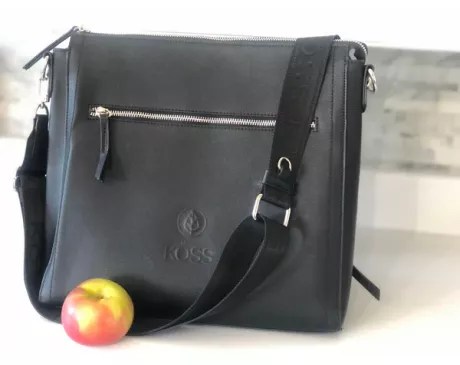
KÖSS - Eco-friendly Convertible Apple-based vegan Leather shoulder Bag - Black
Wanting to offer an alternative as prestigious as genuine leather but without animal cruelty, and se..
$140.00 CAD
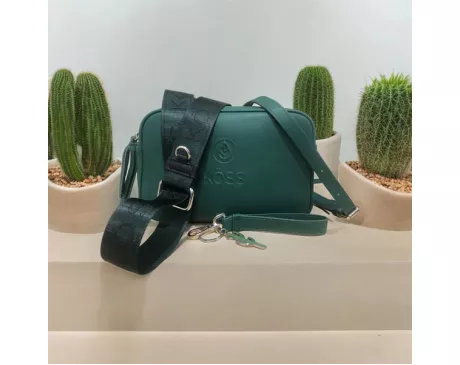
KÖSS - Eco-friendly Cactus Vegan Leather Handbag - Green
Wanting to offer an alternative as prestigious as genuine leather but without animal cruelty, and se..
$119.00 CAD
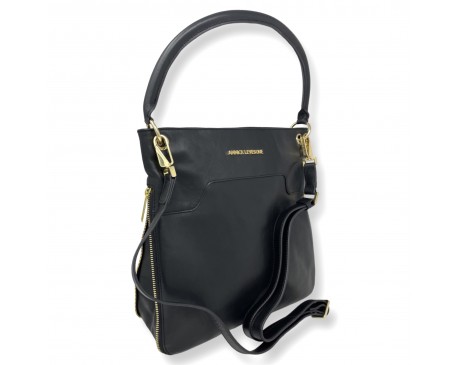
Annick Lévesque - Amélie Leather Handbag crossbody with integrated light system - Black
The Amelie style from Annick Lévesque is a flat Hobo bag, that you can wear on the shoulder with the..
$339.99 CAD