


Hard-Shell vs. Soft-Sided Luggage: Which Should You Choose for Travel?
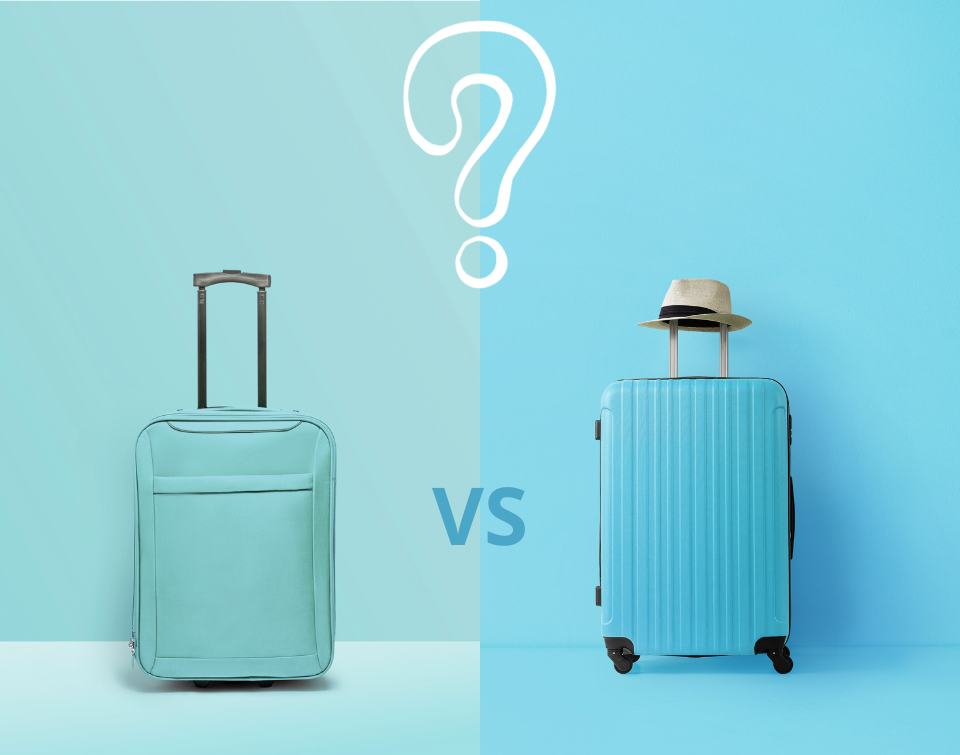
When the time comes to choose a new suitcase for your travels, a crucial question arises: do you opt for a soft or hard suitcase? Each of these options has its advantages and disadvantages, and it's important to make an informed choice based on your personal needs. In this article, we will explore the characteristics of these two types of luggage to help you make the decision that best suits your travel style.
What Are the Pros and Cons of Soft-Sided Luggage?
Soft suitcases, often made of durable fabrics like nylon or polyester, are appreciated for their versatility. Here are some of their advantages:
-
Lightweight: Soft suitcases are generally lighter than their rigid counterparts, meaning you can carry more luggage without exceeding the weight limits imposed by airlines.
-
More Pockets and Compartments: They often feature exterior pockets and interior compartments that make organizing your belongings easier.
-
Flexibility: Soft suitcases are expandable, which means they can accommodate varying volumes of luggage. This can be useful if you plan to bring back souvenirs or purchases during your trip.
However, there are also disadvantages to consider:
-
Less Protection: Soft suitcases offer less protection against shocks and impacts, which can be problematic if you're transporting fragile items.
-
Less Security: They are generally less resistant to break-in attempts compared to rigid suitcases.
What Are the Pros and Cons of Hard-Shell Luggage?
Hard suitcases, often made of materials like polycarbonate or ABS, stand out for their durability and sleek appearance. Here are their advantages:
-
Maximum Protection: Hard suitcases offer superior protection for your belongings, keeping them safe from shocks and external elements.
-
Security: They often come equipped with more sophisticated locking systems, enhancing the security of your possessions.
-
Durability: Hard suitcases tend to withstand wear and abrasion longer than soft models.
However, they also have their disadvantages:
-
Heavier Weight: Hard suitcases are heavier, which means you'll need to pay more attention to the total weight of your luggage.
-
Less Flexibility: If you tend to overpack, hard suitcases may not be the best option as they are not expandable.
Conclusion: Make Your Choice According to Your Needs
Ultimately, the choice between a soft suitcase and a hard suitcase depends on your travel style, personal preferences, and what you plan to pack. If safety and protection for your belongings are essential, a hard suitcase may be the best option. If lightness and versatility are your priorities, a soft suitcase might suit you better.
At JP Grimard, we have been selling and repairing luggage since 1937. This experience allows us to see firsthand that a suitcase’s durability depends not only on whether it is hard-shell or soft-sided, but also on the quality of its materials, wheels, handles, zippers and overall construction.
Whatever you choose, don't forget to check the specifications of the airline you're using, as some may have specific restrictions regarding soft or hard luggage. In the end, the main goal is to ensure that your suitcase meets your needs so you can travel with peace of mind.
Louise et ses valises!