Understanding Sales Models (B2B, B2C, D2C) and Why Shopping In-Store Can Make All the Difference in terms of Price for the Consumer ...
Introduction:
In today’s business landscape, sales models have multiplied. It’s common to hear terms like B2B, B2C, or D2C. But what do they actually mean for the consumer and why is shopping in-store often still the smartest choice, even in our fully digital age?
The Different Types of Sales Models:
-
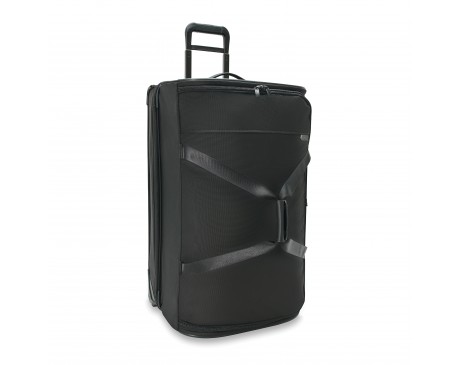
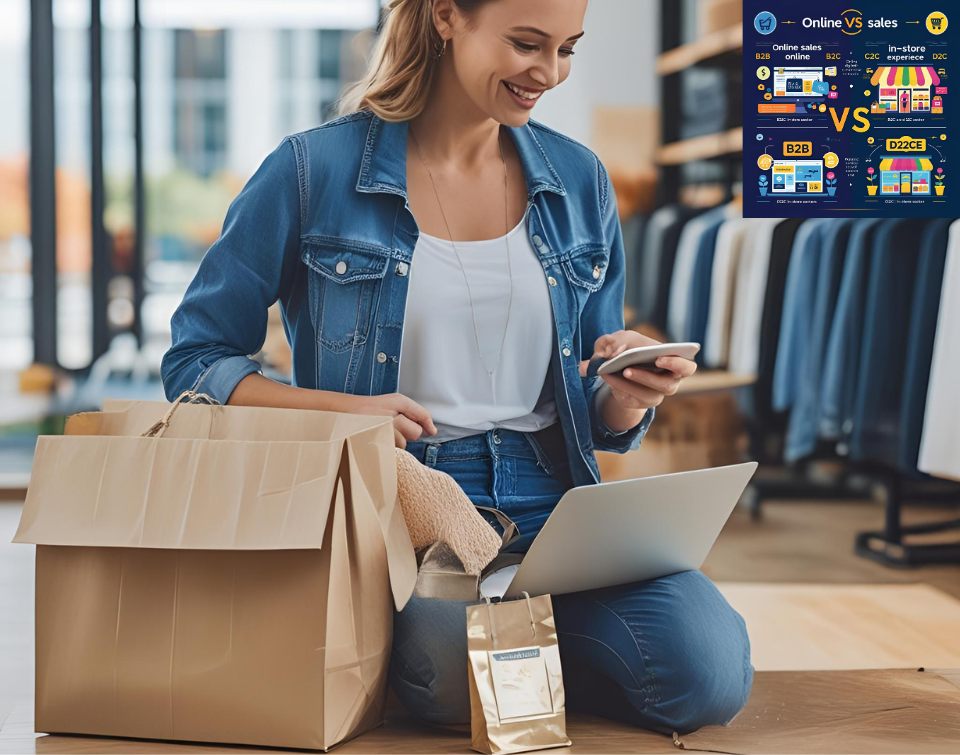
B2B (Business-to-Business): A business sells to another business. For example, a luggage manufacturer selling to a retailer.
-
B2C (Business-to-Consumer): A business sells directly to the end consumer, such as a physical store selling to a customer.
-
D2C (Direct-to-Consumer): The brand or manufacturer sells directly to the consumer, often via its website, bypassing retailers altogether.
D2C: Great for Brands, Not Always for Consumers:
The D2C model allows a brand to:
-
increase its profit margins,
-
control its pricing,
-
and manage the entire customer relationship.
However, this model also puts the brand in direct competition with its own retailers — which can reduce the diversity of products in stores… and limit the discounts customers can see or access.
⚠️ What Canadian Law Says About Pricing:
Some well-known and reputable brands enforce a Minimum Advertised Price (MAP) policy, which prevents retailers from publicly displaying a price lower than the one set by the brand (the same applies to Amazon, which must comply with MAP policies set by manufacturers). However:
✅ In Canada, a manufacturer CANNOT enforce an in-store sale price.
Retailers are free to sell at a different price in-store, even if they must respect MAP online or in ads.
Source: Competition Bureau Canada — Articles 61 and 76 of the Competition Act
See the law here
Why It’s Worth Buying In-Store:
-
Often better prices than online thanks to the retailer’s flexibility.
-
Personalized service: advice, demos, side-by-side product comparisons.
-
No waiting: walk out with your item right away.
-
Support your local economy: every purchase strengthens local businesses.
-
Easier returns or repairs: faster, more accessible after-sales service with a local merchant.
Conclusion:
The D2C model is gaining popularity among major brands, but consumers often lose out on flexibility, service, and real savings. In-store, you often get better prices, real human support, and more transparency.
Buying local is smart — and it’s your right.
Louise et ses valises!